
TLDR
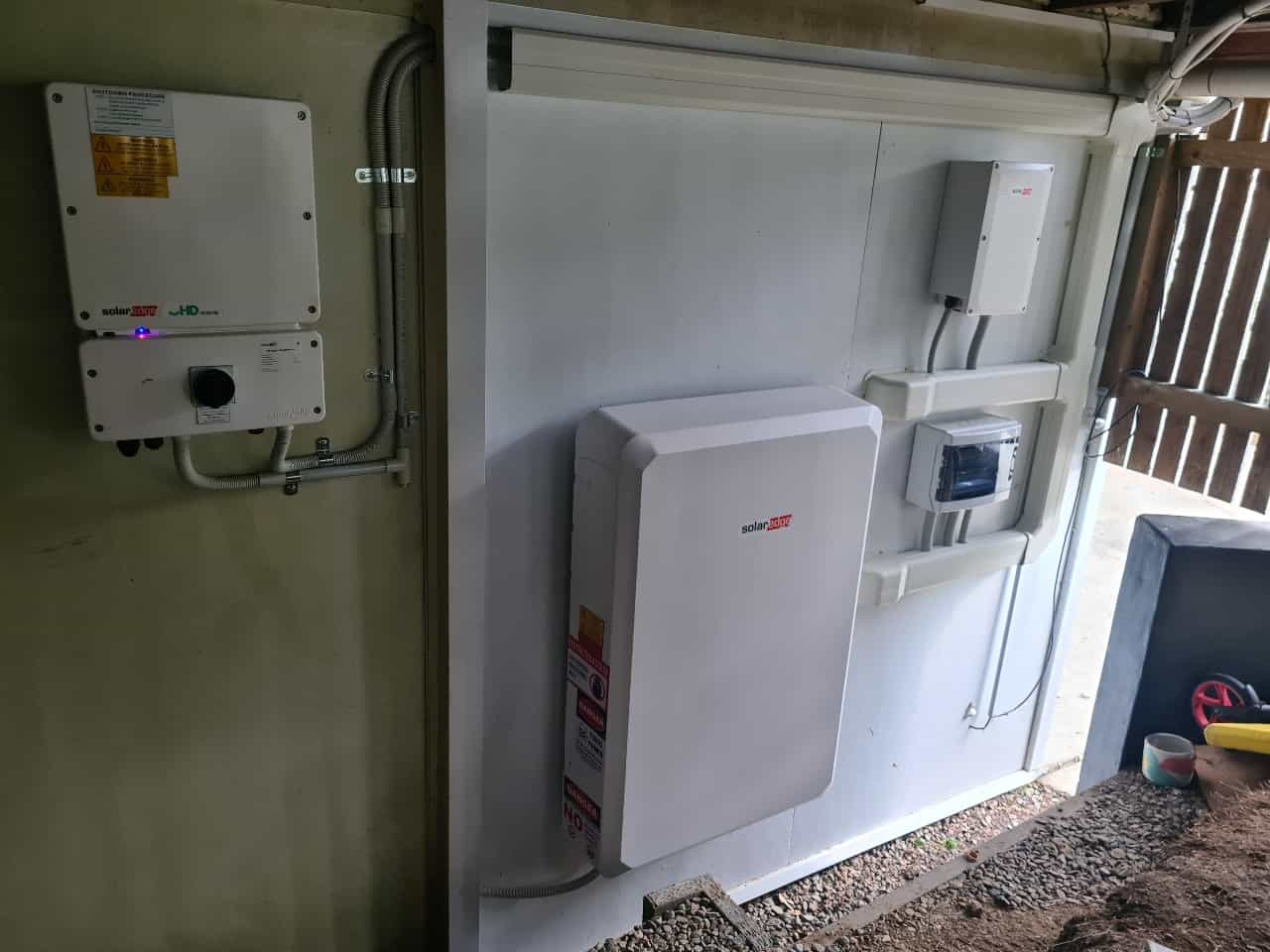
- You can add a battery to most existing solar systems, either with a hybrid inverter or an AC-coupled battery.
- A retrofit battery boosts solar self-consumption, cuts electricity bills, and provides backup power during outages.
- Your inverter type, switchboard condition, solar PV size and electricity usage determine the best installation method.
- A qualified solar battery installer should assess compatibility, safety and performance before installation.
- 3D Energy can recommend the right battery capacity and design for your home.
Why More Homeowners Are Adding Batteries
For many homeowners, the question of “Can I add a battery to my solar system?” comes up once they realise how much unused solar they export during the day. Your solar panels generate abundant energy during the day, but without storage, most of that unused excess is exported back to the electricity grid for very little return.
By adding a battery, you potentially shift more of that value back into your home. You can use your own solar power well into the night, significantly reduce electricity bills, lower your dependence on the grid and protect your home during a power outage. As feed-in tariffs continue to fall and weather-related outages become more frequent, batteries have moved to being a core part of a modern solar and battery system.
Can You Add a Battery to an Existing Solar System?
Homeowners often ask, “Can I add a battery to my solar system without replacing everything?” In most cases, the answer is yes – and the process is simpler than most people expect. The deciding factor is your solar inverter. If you already have a hybrid inverter, your system is essentially battery-ready. If you have a standard grid-connected inverter, you can either replace it with a hybrid model or add a dedicated AC-coupled battery inverter.
The right solution depends on:
- Your existing solar system size
- Your nightly electricity usage
- Switchboard and wiring condition
- DNSP inverter limits
- The amount of battery capacity you want
“We analyse your solar export, load profile and inverter compatibility before designing any battery system. Retrofitting is not guesswork – it’s careful engineering so the battery performs safely and efficiently for years to come.”
DC-Coupled vs AC-Coupled Batteries
Understanding these two approaches makes it much easier to select the right design.
DC-Coupled Battery Systems (Hybrid Inverter)
inverter, allowing solar energy to charge the battery before being converted into AC power.
Advantages
- Higher efficiency due to fewer conversion steps
Better integrated monitoring through the single inverter - Ability to keep charging during a power outage (if the sun is available)
- Supports larger battery storage systems
- Ideal for long-term expansion and performance
Considerations
- Requires replacing the existing inverter
- Installation is more technical
- Higher upfront cost, but greater long-term efficiency
AC-Coupled Battery Systems
An AC-coupled setup adds a separate battery inverter and leaves your existing solar inverter in place.
Advantages
- Fast and simple to retrofit
- No need to replace your current inverter
- Often more cost-effective upfront
- Suitable for smaller home solar batteries
Considerations
- Slightly lower efficiency
- Some systems cannot charge during outages
- Multiple monitoring platforms
- Must comply with DNSP inverter capacity rules
Both methods are safe, proven and effective. Choosing between them comes down to compatibility, budget and how much independence you want from the electricity grid.
What Determines Whether Your System Is Battery-Ready?
A professional assessment looks beyond the inverter. Several factors influence what type of battery installation your home can support:
Inverter brand and age
Some older inverters are incompatible with modern solar batteries.
Switchboard condition and safety
Upgrades may be needed to meet electrical safety requirements and support backup circuits.
Electricity usage patterns
High night-time loads (EV charging, air-conditioning, pool pumps) may need a larger usable capacity.
Feed-in tariff and electricity plan
Lower feed-in tariffs increase the benefit of storing your excess energy.
Backup requirements
Some households want essential circuits powered for hours; others want full-home backup.
How the Installation Process Works
Retrofitting a battery is a structured, well-defined process. Here’s how 3D Energy typically handles a full design and installation:
1. Load and Usage Assessment
The team reviews your electricity bills, how much solar export you have and how much energy stored you’ll realistically need overnight.
2. Review of Your Existing Solar System
This includes inspecting your solar panels, existing inverter, DNSP inverter limits and switchboard condition.
3. Designing Your Backup Circuit
Essential loads such as lighting, fridges and key outlets can be moved onto the inverter’s backup supply to keep them operating during a power outage.
4. Selecting a Hybrid or AC-Coupled Inverter
This step determines whether you replace your existing inverter or add a dedicated storage inverter.
5. Choosing the Right Battery
3D Energy considers factors such as chemistry (including lithium-ion and lithium iron phosphate batteries), lifespan, warranty, rated power output, usable kWh, battery prices and compatibility.
6. Installation and Commissioning
Your battery, inverter and monitoring system are installed and tested to meet Clean Energy Council standards and Solar Accreditation Australia guidelines.
7. Monitoring and Optimisation
You’ll have access to real-time tracking of solar production, stored power, battery charge cycles and consumption.
Battery Costs and Incentives
There is currently a very successful Federal Government “Cheaper Home Batteries Program” where there’s a rebate for battery storage systems.
Some energy retailers also offer credits for participating in a virtual power plant VPP, allowing your battery to contribute to the grid during peak events.
With the current battery rebate, many homeowners find batteries affordable and worthwhile simply because they increase the use of their own solar power and reduce exposure to rising grid prices.
Is It Worth Adding a Battery?
For most homes, absolutely yes. A battery strengthens your solar investment, protects your home during outages and helps you gain more control over your electricity bills. Households with high night-time consumption, planned EV charging or large solar PV arrays usually see the strongest benefit.
Add a Battery with 3D Energy
3D Energy is fully accredited in Solar PV Design & Install with storage endorsement and specialises in safe, efficient solar battery storage systems. Their team handles everything from design to installation and long-term support.
